


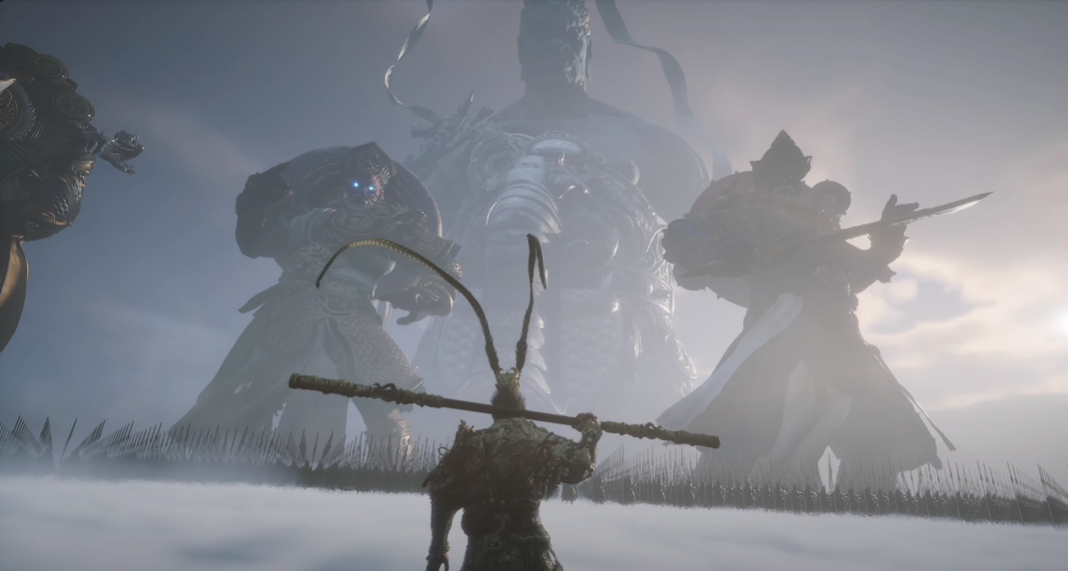
Game development once started with building the mechanics first, then adding story and art afterward. However, themed games have just reversed that order.
Today, the world and setting are designed at the very beginning, and everything else, such as systems, visuals, and events, is built later to fit accordingly.
This change is restructuring how studios, mainly AAA games, plan and produce games, creating a better approach from the start. Here’s how that shift works and why it’s proving so effective;
Theme As A Production Framework
A strong theme is more than a design. It functions similarly to an operating system for the project. Art, audio, UI, and the in-game economy, including microtransactions, follow clear rules that cut confusion and waste.
When every asset connects to one shared world, daily check-ins move faster. The theme acts as a filter, making it easier to decide what features belong and what gets parked.
This level of alignment shows up across genres, from open-world titles that match the interface design to their lore to strategy games that tie unit visuals to faction identity.
It’s just as common in casino releases, where themed visuals, sound, and bonus mechanics work in sync. You can observe this in games like Dancing Drums Explosion, where the motif is carried through symbol design to the soundtrack, creating a unified real-money slot experience.
Teams lock this in early with a North Star pack that covers backstory, various colors, icons, shapes, materials, and approved terms.
Designers pull from that library when pitching events or systems. Reviews go quicker, rework drops, and dates hold.
Localization uses the same names for places, items, and abilities, which reduces duplicate strings and keeps the search accurate. Communication tightens across the studio.
Marketing and community stay on brand, and outside partners ramp faster with clear dos and don’ts. The net effect is fewer delays and more time building features.
Visual Systems That Scale
Cohesive art keeps recognition high and visuals clear as the game expands. Shape language, color coding, and silhouettes signal role, rarity, and danger at a glance, even with hundreds of items or units. In fast play, clarity beats flashy effects that confuse.
An art bible actually locks this consistency in the first place. It defines palettes, materials, lighting, icon grids, and scale rules so new assets fit without heavy revisions.
Additionally, reviews move faster, and teams focus on creating rather than debating style. Modular systems push production further. Artists build interchangeable kits that keep the theme intact.
Shared textures and controlled materials make quick swaps possible, letting
Seasonal drops refresh visuals without breaking world rules.
The result is higher output, a stable identity, and a content pipeline that scales with the game.
Story Structure That Fuels Live Ops
Planning story arcs from the start gives themed games stronger, more reliable live calendars. Seasons and limited-time events tie into a larger meta plot, with room for side stories that still fit the world.
This gives marketing set beats to promote and design teams’ built-in hooks for new mechanics.
Turning the update schedule into a steady story engine instead of a list of disconnected promos. Pacing ultimately makes it work.
A clear arc and idea allow developers to take shifts in stakes, locations, enemies, and overall designs without breaking the core rules of a video game.
With that, Players can adapt quickly because each change feels like a more natural step forward. Every update moves the chapter alon,g whether you are a pro or just a beginner. It also keeps content more stable and avoids the idea of inventing something with each cycle.
Support teams also benefit from it. For instance, Patch notes, tooltips, and event descriptions can reference known factions, regions, and characters.
Players can recognize these instantly, which can help in cutting confusion and speeding up understanding. Each update ultimately feels like part of the same ongoing world.
Mechanics Aligned With Setting
Game mechanics hit harder when players feel it is built into the world, rather than the top. A stealth loop, which many developers are practicing, fits naturally in a spy setting. Area control belongs in a city builder or war map.
When actions and abilities align with the theme, players understand them faster because they make sense in context. That shortens the learning curve and reduces the need for heavy tutorials.
Balancing is easier, too. Stats and attributes follow the logic of the setting. Cold resists ice damage, heavy armor slows movement, and certain terrains block line of sight.
Beyond just cosmetic touches, they create a ruleset that’s simple to track and maintain. Outliers are easy to spot in analytics because they break an expected pattern.
This approach also streamlines testing. The theme sets predictable baselines, so QA can focus on exceptions instead of rechecking every scenario. The result is quicker iteration, cleaner balance, and mechanics that feel like they’ve belonged in the world from the start.
Locking In The Long Game
The theme is where creative vision meets operational discipline. Without execution, even the best concept falls apart. Without vision, production becomes scattered.
The rise of themed games proves that the sweet spot is in combining both, and the results speak for themselves in retention, scalability, and market position.

